As the world of ceramics evolves, artists and designers continually seek the perfect glaze colors to elevate their work. According to renowned ceramic expert, Dr. Emily Rhodes, “Color brings life to clay, and certain shades resonate more this year.” This statement captures the essence of what many crafters are exploring. They are eager to discover what are the trending ceramic glaze colors this year.
This year, muted earth tones and vibrant jewel tones are gaining popularity. Soft aqua, deep emerald, and warm terracotta hues are capturing attention. They evoke a sense of nature and comfort, appealing to both creators and collectors. Artists are experimenting with unique combinations, creating stunning contrasts that are visually striking. It's fascinating, yet reflects a journey of trial and error.
The conversation about glaze colors often leaves room for reflection. While many trends emerge, not every color will fit every piece. What works for one artist may not resonate with another. Understanding your own style is essential. The quest to find personal favorites amid the trends can be overwhelming, but it is a worthwhile exploration. The right color can transform a piece, adding depth and meaning.
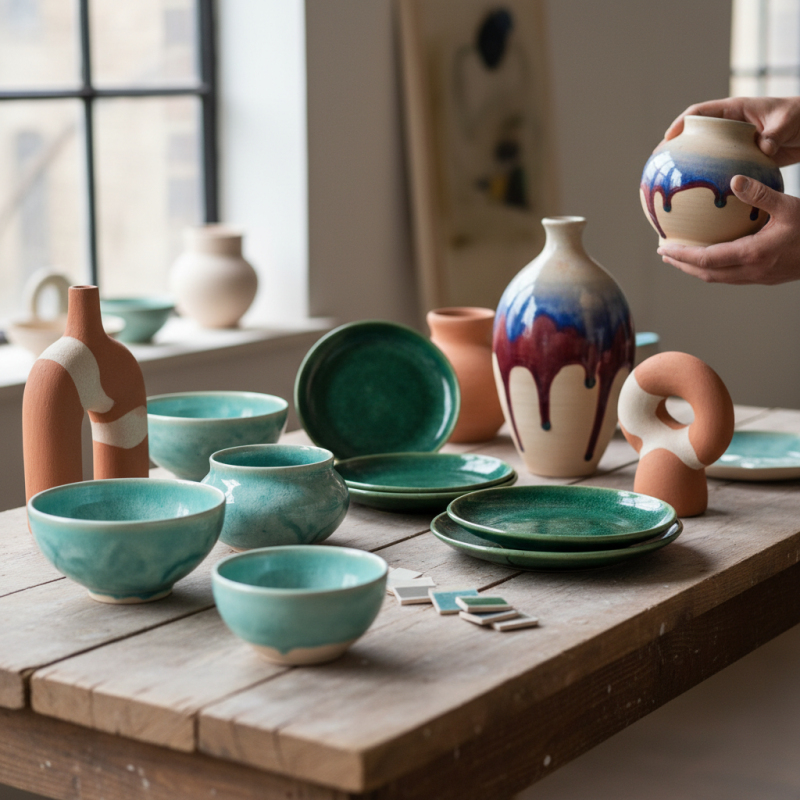
Ceramic glaze colors in 2026 are evolving in fascinating ways. Trends are shifting towards earthy tones and muted pastels. These colors reflect a growing desire for a connection to nature and calmness. Artists and potters are blending traditional techniques with modern aesthetics. A soft sage green or warm terracotta can evoke feelings of tranquility.
Textures are also becoming essential. Glossy finishes stand out, while matte surfaces add depth. Experimenting with layering colors creates unique effects. Some potters are exploring intricate patterns that highlight these colors. This experimentation can lead to unexpected outcomes, sparking creativity and reflection.
While these trends are exciting, not everything is perfect. Some colors may not bond well with certain clay bodies. Additionally, achieving the desired finish often requires trial and error. It’s a process that can be frustrating. However, this journey fosters growth and innovation in ceramic art. Embracing imperfections can lead to beautiful surprises.
When considering ceramic glaze colors for 2026, aesthetic appeal is paramount. This year, earthy tones dominate, evoking a sense of comfort. Shades like terracotta and sage green inspire tranquility, perfect for creating warm, inviting spaces. Additionally, deep blues mimic serene waters, offering a refreshing contrast to warmer colors.
Tips: Experiment with layering these colors. Combine multiple glazes to create depth. Don't shy away from imperfections; they add character. Each piece tells its own story when handcrafted with unique nuances.
Bright pastels are also gaining traction, creating cheerful environments. Light pinks and soft yellows can brighten up any room. However, ensure balance; too many pastels can feel overwhelming. Mixing in neutral tones can help anchor the overall design, allowing colors to shine without clashing. Trust your instincts, and let your creativity flow.
Achieving vibrant ceramic glaze colors is an art that combines knowledge and experimentation. Each technique offers unique results. A popular approach is layering glazes. Applying multiple layers can create beautiful depth. The first layer acts as a base, while the top layer adds visual interest. It requires careful planning, as firing temperatures can affect each layer's outcome.
Another valuable technique is the use of underglazes. These permit detailed designs in vibrant colors before applying a transparent glaze. The key is to ensure even application. Uneven spots can lead to unexpected results. Testing on small pieces helps to gauge effects. Remember, the firing process can alter colors, sometimes unpredictably.
Experimenting with different firing atmospheres can also yield exciting results. Reduction and oxidation techniques can change how glazes appear. Reduction, for example, can enhance reds and blues. But these methods require a good understanding of kiln behavior. Miscalculations can lead to disappointments. Embracing imperfections in the process can spark creativity. Every failure teaches something valuable for future attempts.
Ceramic glaze colors carry deep cultural significance. In 2026, these colors reflect not just aesthetic choices but also personal identities. Artists and potters are increasingly exploring hues that resonate with their cultural backgrounds. These choices often tell stories of heritage and community.
For instance, earthy tones symbolize a connection to nature and sustainability. Soft pastels may evoke feelings of tranquility and balance. On the other hand, bold and vibrant colors often represent joy and creativity. Each glaze color can spark conversation, inviting viewers to engage with the artist's intent. It is essential to think critically about the meanings behind these choices.
Furthermore, trends continuously evolve. One may find it unsettling that current practices often overlook traditional methods. Many contemporary artists adopt techniques without fully understanding their origins. The challenge remains to honor these traditions while embracing innovation. Recognizing the cultural narratives tied to each color ultimately enriches our appreciation of ceramic art. The nuances in each color create a tapestry of stories that reflect society's complexities.
As we look towards the future, the ceramic glaze colors that will dominate beyond 2026 promise to be intriguing. Artists and designers are increasingly drawn to natural hues. Earthy tones, like terracotta, are gaining momentum. These colors evoke a sense of warmth and connection to nature, creating a calming ambiance in any space.
Emerging trends indicate a shift towards muted palettes. Soft pastels might take center stage, influencing various applications. Think of pale blues and dusty pinks. They harmonize well with sustainable designs. Combining these shades can emphasize organic shapes in ceramics.
**Tips**: Experiment by mixing glazes to create unique, custom colors. Don't hesitate to test different combinations on small pieces. It’s okay to make mistakes; they often lead to unexpected beauty. Stay tuned to your surroundings for inspiration. Nature and the changing seasons can guide your choices, reflecting the vibrant world around you.
| Color Name | Hex Code | Description | Predicted Popularity |
|---|---|---|---|
| Celestial Blue | #4A90E2 | A tranquil and soothing blue reminiscent of the sky. | High |
| Sunset Orange | #FF6F30 | A vibrant and warm orange evoking the colors of a sunset. | Moderate |
| Forest Green | #2E8B57 | A deep, earthy green inspired by lush forests. | High |
| Muted Mauve | #EAB8D1 | A soft, muted pink that adds a touch of elegance. | Moderate |
| Sandy Beige | #D5C19A | A neutral tone that brings warmth and comfort to designs. | High |
: Earthy tones and muted pastels are gaining popularity. These colors promote a connection to nature and serenity.
Textures are crucial. Glossy finishes catch the eye, while matte surfaces add depth to the ceramics.
Layering glazes is effective. Multiple layers can create a rich and dynamic appearance.
Underglazes allow for detailed designs in vibrant colors. They must be evenly applied for best results.
Firing temperatures are critical. They can influence how each layer interacts, leading to varied results.
Different atmospheres can dramatically alter colors. Reduction can enhance reds and blues, but requires knowledge.
Some colors may not bond well with certain clays. Achieving the right finish often takes multiple attempts.
Yes, experimentation can lead to delightful surprises. Embracing imperfections often sparks innovative ideas.
Testing on small pieces is advisable. This helps gauge effects without risking larger work.
Each failure offers learning opportunities. They can guide artists toward growth and future successes.
The article "2026 Top Trending Ceramic Glaze Colors You Need to Know" explores the vibrant landscape of ceramic glaze colors set to trend in 2026. It provides an overview of key color trends, highlighting popular shades and their aesthetic appeal, which draw inspiration from both nature and modern design elements. For those curious about what are the trending ceramic glaze colors this year, techniques for achieving these vibrant hues are also discussed, ensuring creators can bring their artistic visions to life.
Additionally, the piece delves into the cultural significance of ceramic glaze colors, examining how societal influences shape color preferences and usage. Finally, it offers insights into predicted future trends in ceramic glaze colors beyond 2026, suggesting an ongoing evolution influenced by technological advancements and shifting artistic expressions. This comprehensive guide serves as a valuable resource for artists and enthusiasts alike looking to stay ahead in the dynamic world of ceramics.

Anzi Decor