Ceramic decor can make a room feel warmer, but its rough base may quietly damage furniture. A small vase can leave pale circles on a walnut table. A decorative bowl may create fine scratches when moved during cleaning.
Understanding how to prevent ceramic decor from scratching furniture starts with examining the contact points. Unglazed ceramic bottoms often contain gritty particles. Even smooth-looking pieces can trap dust beneath them. In practical home testing, felt pads, cork layers, and soft fabric barriers have reduced rubbing noticeably. The surface still matters.
Wood, glass, lacquer, and painted furniture each respond differently. A heavy ceramic planter needs stronger protection than a lightweight ornament. Moisture also changes the risk. Water beneath a pot can soften finishes, loosen pads, or leave cloudy marks. Small details matter.
They are easy to miss.
This guide presents seven practical ways to protect furniture without hiding the beauty of ceramic pieces. It covers cleaning, padding, placement, weight distribution, and regular inspections. The suggestions are based on common furniture-care principles and realistic household use. However, no method is perfect for every finish. Some pads can collect dust, and adhesive materials may leave residue when removed. Testing protection on an unseen area is wiser than trusting a package label. Careful habits, rather than one product alone, provide the most reliable protection.
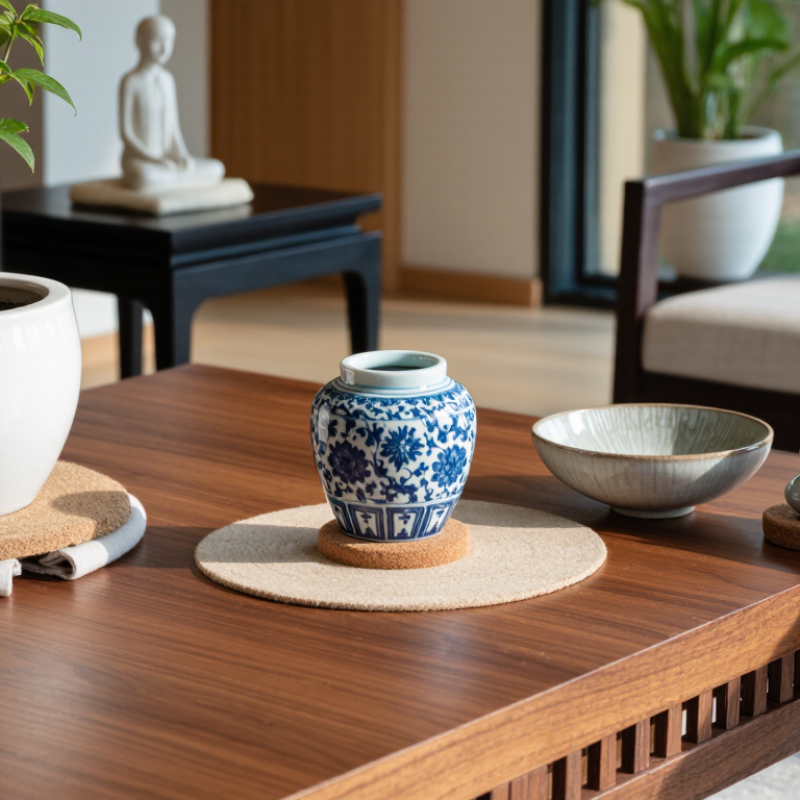
A safe placement area begins with the furniture surface, not the ornament itself. In my experience, ceramic pieces scratch furniture when dust or grit sits beneath a rough base. Check the underside with clean fingertips before setting anything down. A smooth, level surface is best. Avoid polished wood edges, thin veneer, and areas beside drawers that vibrate during use. Keep the object several centimeters from the edge, where one careless elbow could shift it. Small details matter.
Use a clean, non-abrasive barrier between ceramic and furniture. A fitted felt pad, cork disk, or soft cotton mat can reduce direct contact, but it must lie flat. Wrinkled fabric creates pressure points and may trap grit. On glass or lacquered furniture, choose a stable tray with a smooth underside. Test it gently before adding the decoration. Do not place heavy ceramic on a narrow shelf or uneven table. Weight can concentrate on one sharp base mark. Humidity also deserves attention; damp fabric may leave rings on wood.
I once moved a small vase across a cabinet instead of lifting it. The faint line appeared later. That mistake changed my routine: lift, inspect, and reposition rather than slide. Rotate the piece occasionally to check hidden wear, especially after cleaning. Keep it away from busy work areas and items with metal feet. A placement that looks attractive may still be risky if people reach across it. Reconsider the spot after a week of normal use.
| No. | Scratch-Safe Placement Area | Why It Helps | Recommended Protection | Surface Risk | Suggested Clearance | Maintenance Check |
|---|---|---|---|---|---|---|
| 1 | Glass shelves | A smooth, clean surface reduces abrasive contact when the decor is moved carefully. | Place a thin felt pad beneath the ceramic base. | Low | Keep at least 5 cm from shelf edges. | Remove dust and check pads monthly for grit or hard particles. |
| 2 | Wooden display shelves | Wood is generally less abrasive than stone, especially when its finish is smooth and intact. | Use non-slip felt or silicone bumpers that do not contain exposed metal. | Low | Leave 8–10 cm between pieces. | Inspect for raised splinters, loose finish, or trapped dust before repositioning. |
| 3 | Fabric-covered console tops | Soft fabric creates a cushioning layer and helps prevent direct ceramic-to-furniture contact. | Use a flat, tightly woven runner or individual fabric mats. | Low | Keep at least 10 cm from the front edge. | Wash or shake out the fabric regularly because embedded grit can act as an abrasive. |
| 4 | Stable trays | A tray allows the ceramic item to be lifted instead of dragged across furniture. | Choose a tray with a smooth lined base and raised handles or edges. | Low | Position the tray at least 5 cm from all edges. | Lift the tray with both hands and keep the liner flat and clean. |
| 5 | Dedicated display plinths | A dedicated platform reduces frequent handling and keeps the piece away from active work surfaces. | Add a thin, colorfast felt layer under the ceramic base. | Low | Center the item with a minimum 5 cm border. | Check that the plinth is level and that the felt has not compressed unevenly. |
| 6 | Low-traffic corners | Fewer accidental bumps mean less movement and less opportunity for the base to rub against the furniture. | Use a non-slip mat and keep the arrangement away from doors and walkways. | Medium-Low | Maintain approximately 30 cm of clearance from main walking paths. | Confirm that nearby cables, curtains, and household traffic cannot contact the piece. |
| 7 | Areas away from sand and grit | Small mineral particles can create abrasion when trapped under a ceramic base and moved. | Avoid entryways, kitchen worktops, and untreated stone; use a clean protective mat when necessary. | High if gritty | Keep at least 50 cm from entryways and active preparation areas. | Clean both the furniture surface and the ceramic base before every move. |
General care rule: Never slide ceramic decor across furniture. Lift it with two hands, keep the base clean, and replace worn or compressed protective pads promptly.
Choose a smooth, level surface several centimeters from the edge. Avoid thin veneer, polished edges, vibrating drawers, and narrow shelves. Small details matter.
Use a flat felt pad, cork disk, or soft silicone mat. Select pads slightly smaller than the base, so they stay hidden. Wrinkles can trap grit.
Small pieces usually need at least three evenly spaced pads. Larger pieces may need four or a continuous sheet. Protection must not make the object unstable.
Grit can act like sandpaper between the ceramic and furniture. One hard grain may leave a faint line beneath a vase. Dust is the real problem.
Wipe the furniture with a clean cloth. Clean the ceramic underside with a damp microfiber cloth. Let damp pads dry before replacing the piece.
No. Lift it, inspect the base, and reposition it gently. I once slid a small vase and noticed a mark later. That mistake changed my routine.
Inspect them every few weeks, and after cleaning. Look for grit, flattened pads, loose edges, or hardened material. Check hidden wear by rotating the piece occasionally.
No. Avoid narrow shelves and uneven tables, because weight may focus on one sharp point. Reconsider the location after a week of normal use. Looks can mislead.
Learning how to prevent ceramic decor from scratching furniture starts with choosing the right placement. Keep ceramic pieces on smooth, stable areas away from busy edges, frequent handling, and surfaces where they may slide. Add soft protective pads or felt to every ceramic base, making sure they are clean, securely attached, and thick enough to create a gentle barrier. Stable trays, shallow containers, or decorative borders can also help prevent movement caused by bumps, vibrations, or uneven furniture.
Regular cleaning is equally important. Dust, sand, and tiny particles trapped beneath ceramic decor can act like abrasive grit, leaving marks over time. Wipe both the furniture and ceramic surfaces before repositioning them, and lift pieces instead of dragging them. Finally, inspect pads and barriers regularly for flattening, moisture, dirt, or peeling edges, and replace worn materials promptly. These simple habits help preserve both the beauty of ceramic decorations and the condition of tables, shelves, cabinets, and other furniture.

 Anzi Decor