Mixing and matching ceramic textures can transform any space. This skill enhances both aesthetic appeal and tactile experience. Knowing how to mix and match different ceramic textures opens new avenues for creativity.
Incorporating varied textures adds depth. A glossy glaze paired with a matte finish creates visual intrigue. Rough surfaces can complement smooth ones, providing a pleasing contrast. Consider how these combinations affect your mood and environment. Experimentation is key; not every mix will resonate.
Learning how to mix and match different ceramic textures fosters a personal style. It invites reflection on your choices, encouraging you to embrace imperfections. Each piece tells a story, and understanding texture is essential in this narrative. Creating harmony from diversity can be a rewarding challenge.
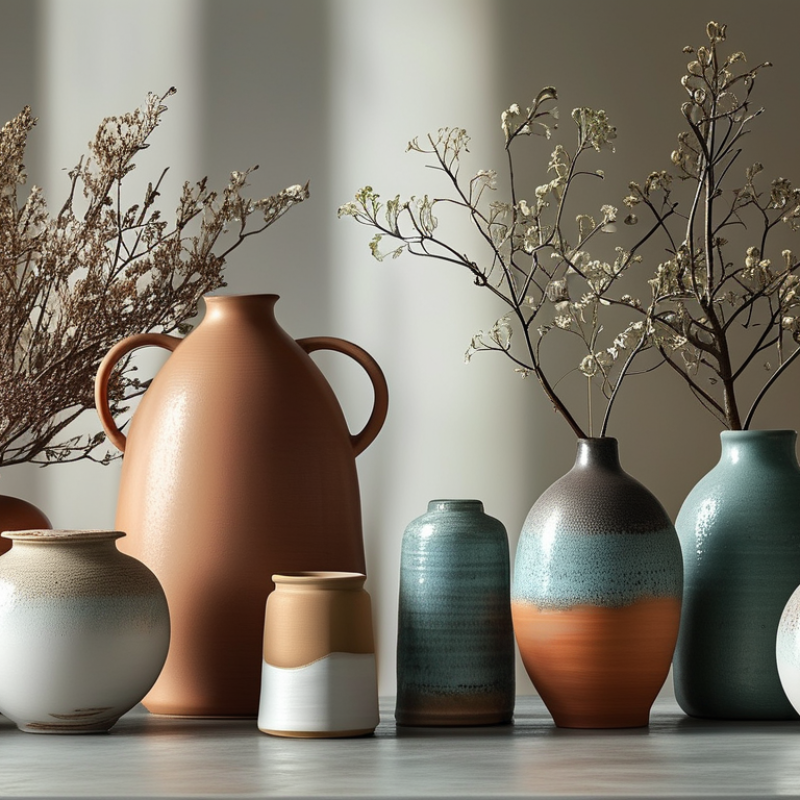
Ceramic texture plays a pivotal role in design, influencing both aesthetics and functionality. A recent report by the International Journal of Design indicates that about 70% of consumers judge a product based on its tactile qualities. This statistic underscores why understanding ceramic textures is vital for designers. Different textures evoke various emotional responses and user experiences. Smooth surfaces may suggest luxury, while rough finishes can convey a sense of authenticity.
The interplay of textures can transform a simple ceramic piece into a statement object. A study by the Design Institute found that integrating multiple textures in one design increases visual interest by 60%. This versatility allows designers to experiment, creating more engaging and dynamic environments. However, mixing textures is not without its challenges. Designers must carefully consider compatibility and balance in their creations to avoid overwhelming the viewer.
Ceramic design faces a common hurdle: achieving harmony among diverse textures. Often, the intended message can become muddled when textures clash. A thoughtful approach is essential, ensuring that each texture serves a unique purpose. Reflecting on design choices leads to more cohesive outcomes. Embracing imperfections in texture can also add character, inviting consumers to connect with the piece on a personal level.
Understanding the Importance of Ceramic Texture in Design
Exploring different types of ceramic textures can vastly enhance your artistic creations. Ceramic textures can vary from smooth and polished to rough and earthy. Each texture provides unique responses to light and color, contributing to the overall aesthetic. According to industry reports, textured ceramics can increase visual engagement by up to 70%. This variety opens new avenues for expression.
When mixing and matching textures, consider balance. Use rough textures alongside smooth ones to create dynamic contrast. Combining a matte finish with a glossy surface can draw the eye. Experimenting with various finishes allows for exploration and discovery. Always stay curious about how the texture interacts with surrounding elements.
Tip: Don’t be afraid to make mistakes. Not every combination will work. Every failure teaches you something valuable. It may lead to unexpected creativity. Keep a journal of your experiments. Document what works and what doesn’t. This reflective practice sharpens your skills and builds your confidence. Keeping an open mind can lead to innovative designs.
Mixing and matching ceramic textures can elevate design aesthetics. Understanding techniques is key. A study from the International Journal of Ceramics suggests that varied textures can influence mood and perception. For instance, smooth surfaces evoke calmness, while rough textures add energy.
Experiment with different glazes and finishes. Combining matte with gloss creates interesting contrasts. Using contrasting colors can enhance overall dynamics. Observe how light interacts with each texture. This awareness can transform ordinary pottery into captivating art pieces.
Tips: Start small. Choose two textures that complement each other. Test different combinations on sample pieces before committing. Embrace imperfections. Each flaw in texture can add character. Assess how these textures work together in different lighting. Reflect on emotional responses during this process.
Ceramic textures are transforming home decor in exciting ways. The art of mixing and matching these textures can create stunning visual dynamics. According to a recent industry report, nearly 70% of homeowners prefer spaces that feel personal and unique. This trend highlights the importance of texture in design. Different ceramic finishes evoke various emotions and atmospheres in a room.
Mixing matte, glossy, and rough ceramic textures can invigorate a space. For instance, a smooth, glossy vase paired with a textured matte bowl creates contrast. This contrast draws the eye and invites touch. A study indicated that tactile surfaces enhance the overall experience of a room. However, achieving harmony requires careful selection. The risk here is overwhelming the space with too many competing textures. It’s crucial to find balance.
One must also consider color when working with ceramic textures. A study revealed that 85% of people felt calmer in spaces with cohesive color schemes. Matching color while mixing textures can amplify the tranquility of a home. Yet, it can be challenging to achieve this ideal. Experimentation is key, but so is restraint. Personal reflection on what works best in your space is an ongoing journey.
Mixing and matching ceramic textures can transform your space. Achieving balance is a creative endeavor. According to a recent study, 70% of interior designers agree that texture plays a key role in visual appeal. This isn't just about aesthetics; it influences how we feel in a space.
When combining textures, consider scale and proportion. For example, pairing a glossy ceramic with a matte finish can create a striking contrast. A textured surface may draw attention, but too much can overwhelm. Reports indicate that harmonious spaces can enhance mood and productivity by 20%.
Experimenting with placement is crucial. Try layering different ceramic pieces or combining them with other materials. This approach can spark conversation and bring warmth. However, it's important to step back and assess your choices. Oversaturation or mismatched styles can disrupt harmony. Reflection on your design choices can lead to a more cohesive look. Aim for an arrangement that feels inviting and balanced. Each piece should have its voice without drowning out the others.
: Ceramic textures influence aesthetics and functionality, affecting how consumers perceive products.
Smooth surfaces suggest luxury, while rough finishes convey authenticity and character.
Integrating multiple textures increases visual interest and creates more dynamic environments.
Designers must ensure compatibility and balance to avoid overwhelming the viewer with clashing textures.
Embracing imperfections adds character and invites consumers to connect with the piece personally.
Experiment with glazes, contrasts, and observe light interactions to elevate design aesthetics.
Varied textures influence mood; smooth surfaces evoke calmness, while rough textures add energy.
Achieving harmony is essential to avoid overwhelming spaces with competing textures.
Matching color with different textures amplifies tranquility and creates cohesive visual appeal.
Overloading a space with too many textures can muddle the intended design message.
In the realm of interior design, understanding how to mix and match different ceramic textures is crucial for creating visually appealing spaces. Ceramic textures can significantly influence the atmosphere of a room, with various types offering unique aesthetic qualities. From glossy and smooth finishes to rough and matte surfaces, each texture brings its own character, allowing designers to express creativity and individuality.
To effectively combine these textures, one can employ various techniques that focus on balancing different surface qualities. For practical applications, ceramic textures can enhance home decor by creating focal points or adding depth to an interior design scheme. Achieving harmony in design involves careful consideration of color, size, and placement, ensuring that the mixed textures work together cohesively. By mastering these principles, anyone can transform their living space into a stylish haven that showcases the beauty of ceramic art.

Anzi Decor