How to Identify High Quality Decorative Porcelain for Purchase

Time:2026-08-18 Author:Henry
0%

When it comes to selecting decorative porcelain, quality is essential. Knowing how to identify high-quality decorative porcelain can make all the difference in your collection. Expert porcelain appraiser Laura Chen states, "The craftsmanship and attention to detail set apart genuine pieces from the rest."

As you embark on this journey, consider the various markers of quality. Examine the texture and finish. True high-quality porcelain has a smooth, refined surface with a lustrous sheen. Look for intricate designs that showcase skilled artistry. A quality piece will often feature a rich, vibrant glaze that enhances its visual appeal.

Furthermore, evaluate the sound of the porcelain when tapped. High-quality decorative porcelain will emit a clear, resonant tone. This indicates its density and strength. As you learn how to identify high-quality decorative porcelain, remember that your personal taste matters. Each piece tells a story, and the right one can enrich your home or collection. However, be cautious; many imitations are on the market. Reflect on your choices to ensure you make a wise investment.
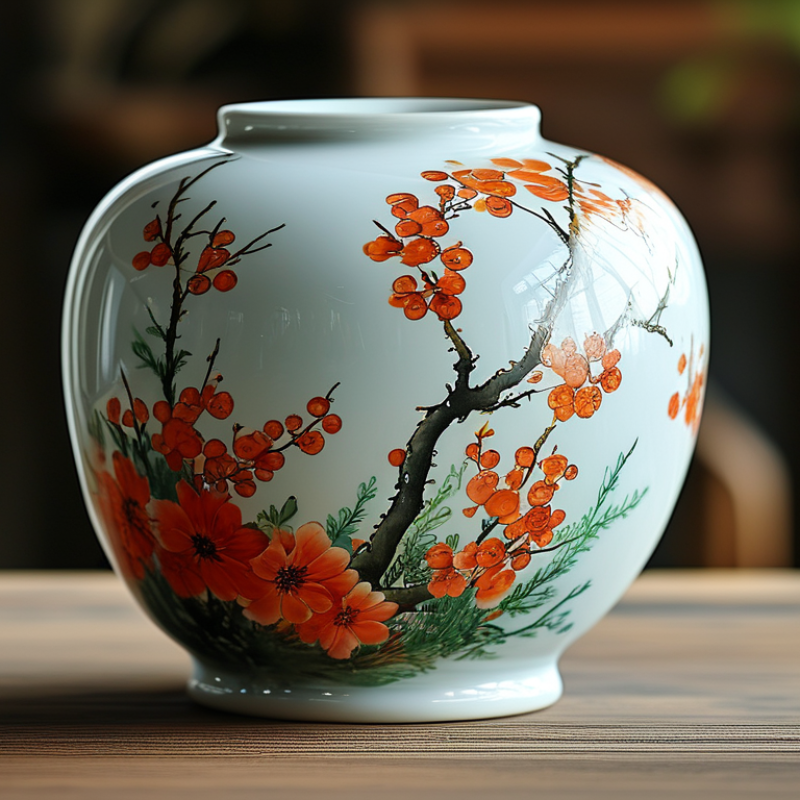
How to Identify High Quality Decorative Porcelain for Purchase

Understanding the Characteristics of High-Quality Decorative Porcelain

When purchasing decorative porcelain, assessing quality is crucial. High-quality porcelain often exhibits a specific set of characteristics. One noticeable feature is its translucency. When held up to light, quality porcelain allows some light to pass through, showing its delicate structure. This effect demonstrates the craftsmanship behind each piece.

Another important aspect is the sound produced when gently tapped. High-quality porcelain emits a clear and ringing tone. This sound indicates the density and purity of the material. Additionally, check for imperfections. Look for any bubbles, scratches, or uneven surfaces. These flaws can indicate inferior quality.

Color is also a significant factor. Rich, vibrant colors denote high-quality glazes that have been applied correctly. Quality porcelain should have an even finish with no drips or uneven patches. Some pieces may show slight variations that add to their charm. However, remember that too many inconsistencies might signal a lack of care in production. Being mindful of these details will help you choose the best decorative porcelain for your collection.

Key Indicators: Gloss, Texture, and Color in Decorative Porcelain

When selecting decorative porcelain, focus on three key indicators: gloss, texture, and color. High-quality porcelain should have a smooth and glossy surface. This shine indicates a well-crafted piece that has undergone proper firing and glazing. A dull finish may hint at inferior craftsmanship or low-quality materials. Carefully observe the light reflections on the surface; they reveal a lot about the porcelain's quality.

Texture plays a crucial role as well. Touch the surface of the porcelain. It should feel smooth and even. Any imperfections or rough patches can ruin the visual appeal. Look for intricate designs that are seamless and finely detailed. If you notice inconsistencies in the texture, it may suggest the piece was mass-produced or poorly made. Pay attention to these tactile details before making your purchase.

Color also significantly influences the overall quality of decorative porcelain. Vibrant and even colors are signs of premium quality. Faded or uneven colors can signal poor glaze application or cheap pigments. Consider how the colors interact with each other. A harmonious palette suggests thoughtfulness in design. In contrast, clashing colors may reflect a lack of expertise. Assessing these aspects will help in your journey of collecting beautiful porcelain pieces.

How to Identify High Quality Decorative Porcelain for Purchase - Key Indicators: Gloss, Texture, and Color in Decorative Porcelain

Indicator Description High Quality Range Low Quality Range
Gloss The shiny surface finish that reflects light effectively. Highly reflective, smooth Dull, uneven
Texture The feel of the porcelain surface, representing craftsmanship quality. Fine, smooth to touch Rough, uneven
Color The vibrancy and consistency of the color across the porcelain piece. Bright, consistent coloration Faded, inconsistent patches
Translucency Ability for light to pass through, indicating quality of the clay. Translucent when held against light Opaque, no light penetration
Weight The heaviness of the ceramic, indicating density and quality. Heavier than expected for size Lightweight and fragile

The Importance of Craftsmanship and Design in Porcelain Quality

When it comes to quality decorative porcelain, craftsmanship and design play crucial roles. The intricacy of handcrafted pieces often distinguishes fine porcelain from mass-produced items. Each piece reflects the artisan's skill, making it unique. Attention to detail is essential; a slight flaw may indicate low craftsmanship.


Consider the design elements that contribute to quality. Look for balanced shapes and thoughtful use of color. Patterns should flow naturally, without jarring contrasts. High-quality porcelain often features intricate motifs, demonstrating both creativity and tradition.

Tips for selecting high-quality porcelain: Check for smooth finishes and even glazes. Inspect edges for sharpness; uneven edges may suggest poor production. For a tactile experience, feel the weight of the piece. Higher quality porcelain tends to feel denser and more substantial. Trust your instincts and don’t rush your decision. Quality takes time to recognize, and every piece has its story.

Evaluating the Durability and Longevity of Decorative Porcelain

When evaluating decorative porcelain, durability is a key factor. High-quality porcelain should withstand daily use without chipping or fading. Look for pieces that have a dense, smooth surface. This indicates a strong composition that can resist scratches. Many artisans create beautiful designs, but not all are made to last.

Longevity is equally important. A well-crafted decorative porcelain piece should age gracefully. Check for signs of craftsmanship, such as even glaze application and symmetrical shapes. Porcelain that has been fired at high temperatures often lasts longer. However, not every stunning piece is durable; some may show wear quickly.

Consider the intended use. Will it be decorative or functional? If it’s for display, look for intricate designs. For everyday use, prioritize sturdiness over beauty. Sometimes, practicality comes at the cost of aesthetics. Balancing these elements requires careful consideration.

Market Trends in Decorative Porcelain: What to Look For Before Purchase

When exploring the decorative porcelain market, observing current trends is essential. Designers often blend traditional techniques with contemporary styles. Look for unique patterns and textures that set pieces apart. Colors play a significant role, too. Subtle earth tones are trending, but vibrant hues still catch the eye.

Another critical aspect is the craftsmanship. High-quality decorative porcelain is often handmade, showcasing the artist's skill. Examine the finish; a smooth, glossy surface indicates careful work. Avoid pieces with visible imperfections, as these can signal lower quality. Researching the materials used is equally important. Porcelain made from fine clay typically offers better durability and aesthetic appeal.

Many buyers overlook the significance of size and scale. A stunning piece can lose its impact if it doesn’t fit the intended space. Consider how the porcelain will interact with surrounding decor. Sometimes, too much detail can feel overwhelming. Aim for balance. Reflect on what you truly appreciate in decorative porcelain. Making informed choices leads to more meaningful acquisitions.

Market Trends in Decorative Porcelain

FAQS

: What is a key feature of high-quality decorative porcelain?

: Translucency is a key feature. Quality porcelain allows light to pass through, revealing its delicate structure.

How can I tell if porcelain is of good quality by sound?

Gently tap the porcelain. A clear, ringing tone indicates density and purity, while dull sounds may suggest inferior quality.

What imperfections should I look for when assessing porcelain?

Check for bubbles, scratches, or uneven surfaces. These flaws often indicate lower-quality porcelain.

How important is color in determining porcelain quality?

Color is significant. Rich, vibrant colors show high-quality glazes, while faded colors may point to poor workmanship.

What does a glossy finish indicate about porcelain?

A smooth and glossy finish suggests careful crafting. Dull surfaces might reflect poor quality craftsmanship or materials.

Why is texture important in porcelain selection?

Smooth, even texture enhances visual appeal. Rough patches may indicate mass production or poor quality.

What should I consider about color harmony in porcelain?

Harmonious colors show thoughtful design, while clashing colors may reveal a lack of expertise in production.

Is it normal for porcelain pieces to have slight variations?

Yes, slight variations can add charm, but too many inconsistencies might suggest careless production.

How does the finish of porcelain reflect its quality?

A well-finished piece reflects light well, indicating high-quality firing and glazing techniques.

Can the presence of imperfections enhance the appeal of porcelain?

Some imperfections can enhance charm but should be minimal. Too many flaws reflect poor quality control.

Conclusion

In the pursuit of how to identify high-quality decorative porcelain, it is essential to understand its defining characteristics. High-quality porcelain should exhibit superior gloss, a smooth texture, and vibrant colors. These indicators provide a visual and tactile reference for assessing overall quality. Additionally, the craftsmanship and design significantly contribute to the piece's appeal; intricate patterns and meticulous finishing often indicate a higher standard of production.

Durability and longevity are also critical factors to consider when purchasing decorative porcelain. Potential buyers should evaluate the material's resilience and how well it withstands wear over time. Furthermore, staying informed about market trends allows consumers to make educated decisions and select pieces that not only enhance their decor but also reflect current styles. By understanding these characteristics, buyers can confidently navigate the market and make informed purchases in decorative porcelain.

Henry

Henry

Henry is a dedicated marketing professional with a profound expertise in the company's offerings. With years of experience in the industry, he possesses an impressive understanding of the market dynamics and consumer behaviors that drive success. Henry is committed to sharing his insights through......